When Custom Software Makes Sense
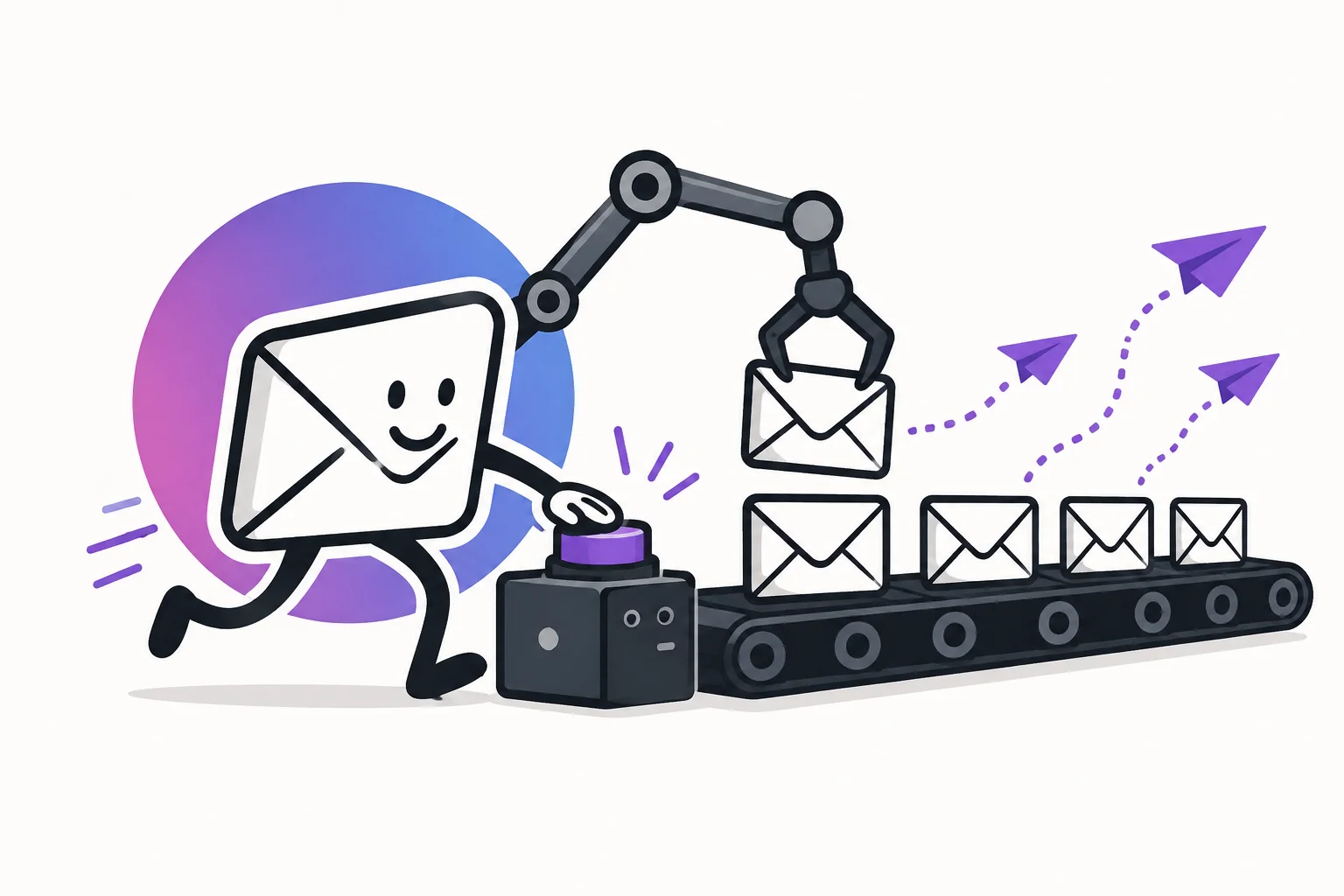
Custom applications are worthwhile when you're dealing with a repetitive process, such as evaluating websites for leads, onboarding clients, internal reporting, or connecting marketing with sales.
Generic tools provide a quick start, but you'll soon hit limits: poor UX for your use case, missing integrations, data outside your control, or monthly fees that grow with your team.
Practical Example: Miros Audit Report
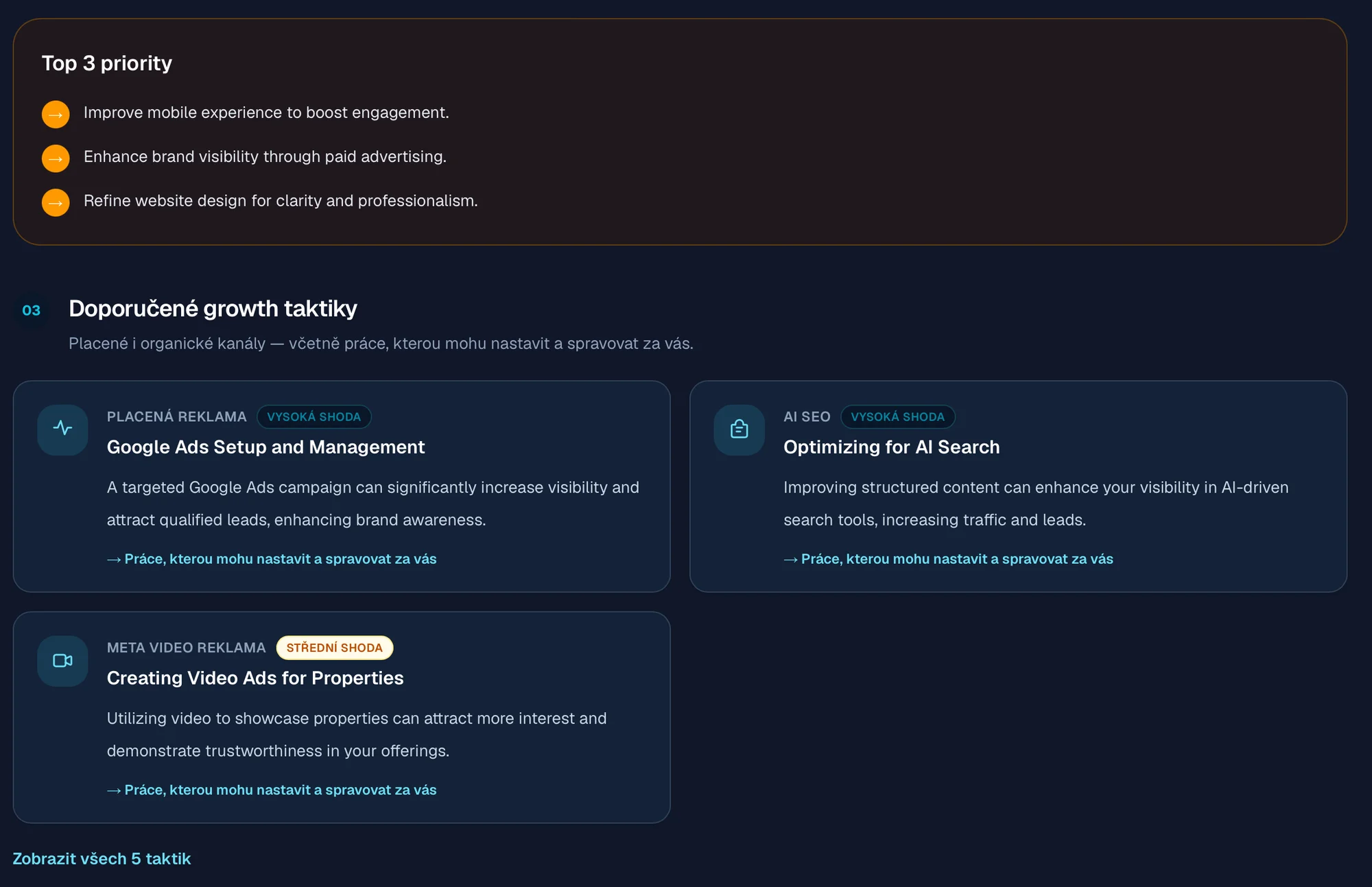
For Miros Digital, I designed and built a free digital website audit — users enter a URL, and within moments receive a consulting report with priorities, which they can view online or download as a PDF.
The flow includes website analysis, AI-generated texts in understandable language, lead capture, and PDF export. You can try it at miros.digital/report — it also serves as proof that a marketing tool can be a strong lead magnet in itself.
What Such a Tool Can Do for Marketing
It automates work that would otherwise be done manually by a consultant — and scales it to dozens or hundreds of leads per month without losing the quality of the first impression.
It can be connected to CRM, email, calendar, or outreach. It's important to design not just the interface, but the entire user journey — from the first click to the moment they're ready to schedule a call.
From Idea to Production
I start with the use case and success metrics — what the tool should measure, who it serves, and how we know it works. Only then do I address design, development, and deployment.
An MVP can be completed in weeks, not months — if the scope is clearly defined. Then we iterate based on real usage, not hypothetical features that no one needs.